The Importance of Visibility in Low Light Conditions
When it comes to safety, visibility is key. In low light conditions, whether it’s during the early morning, dusk, or in poorly-lit areas, being seen can mean the difference between safety and danger. It’s not uncommon for accidents to occur due to poor visibility. This is especially true in environments where heavy machinery or vehicles are present, such as construction sites, warehouses, and roadsides.
High visibility apparel, especially those with reflective elements, play a pivotal role in ensuring that the wearer is seen in these conditions. The use of reflective apparel has been proven to significantly reduce the risk of accidents in low light environments.
Understanding Reflective Apparel
Reflective apparel is designed to bounce light back to its source with minimal scattering. This means that if a person is wearing reflective clothing, and a light source—like a car’s headlights—hits them, the light is bounced back to the driver, making the wearer easily noticeable.
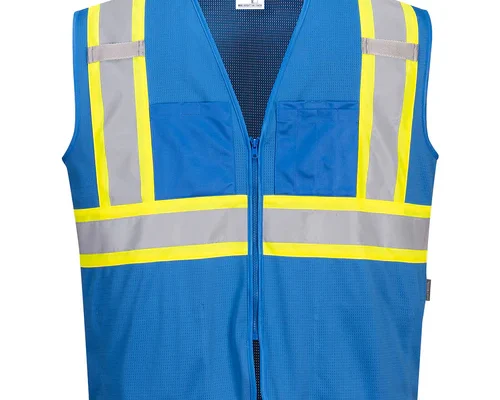
Reflective apparel comes in different forms, including jackets, trousers, and vests. Among these, reflective safety vests for jobsite safety are among the most commonly used, owing to their convenience and versatility. They can be easily worn over any clothing and are typically lightweight and comfortable, making them suitable for various work environments.
The Science Behind Reflective Materials
Reflective materials work by using the principle of retroreflection. In simple terms, instead of scattering light in different directions like ordinary materials, reflective materials reflect light back towards its source. This property is what makes reflective materials appear bright in the eyes of an observer who is near the light’s source.
Two main types of retroreflective materials are used in the manufacturing of reflective apparel: glass bead systems and microprismatic systems. In both systems, the goal is the same: to return light back to its source with minimal scattering, thereby ensuring that the wearer is highly visible in low light conditions.
Reflective Apparel in Action: Real-world Applications
Reflective apparel is widely used in a variety of sectors. In the construction industry, workers often find themselves working in low light conditions or during the night. Reflective safety vests ensure that they are easily seen by their colleagues, thus reducing the risk of accidents.
Emergency services also make extensive use of reflective apparel. Paramedics, firefighters, and police officers are often required to work in challenging environments and at all hours. Reflective clothing ensures that they are highly visible, which is critical for both their safety and the effectiveness of their work.
Even cyclists and runners benefit from reflective apparel. Wearing reflective clothing during early morning or late-night workouts can significantly improve their visibility to motorists, thus enhancing their safety.
Choosing the Right Reflective Apparel
When choosing reflective apparel, it’s important to consider several factors. First, ensure that the clothing meets the necessary safety standards. In the United States, for instance, the American National Standards Institute (ANSI) has set specific standards for high visibility clothing.
Next, consider the environment in which the apparel will be used. For jobsites with heavy machinery, a reflective safety vest with high contrast colors may be the most suitable. For those who work in warmer climates, a lightweight, breathable reflective vest may be the most comfortable and practical choice.
Finally, remember that not all reflective materials are created equal. Choose apparel with high-quality reflective materials to ensure the best performance. Companies like SafetyVestWarehouse.com offer a wide range of high-quality reflective apparel options, ensuring that you can find the right fit for your specific needs.
Conclusion
Reflective apparel plays a vital role in incident prevention in low light conditions. By significantly improving visibility, it reduces the risk of accidents in various settings, from construction sites to roadside emergencies to early morning jogs. When choosing reflective apparel, consider its compliance with safety standards, suitability for the work environment, and the quality of the reflective material. Remember, safety should never be compromised—choosing high-quality reflective apparel is a crucial step towards ensuring a safe work environment.
FAQs
Why is reflective apparel important?
Reflective apparel is important because it enhances the visibility of the wearer in low light conditions. This significantly reduces the risk of accidents in various environments, such as construction sites, roadsides, and during outdoor activities like cycling or running.
What are some examples of reflective apparel?
Examples of reflective apparel include reflective vests, jackets, trousers, and even accessories like bands and belts. Reflective safety vests are among the most commonly used, especially on jobsites, due to their convenience and versatility.
What should I consider when choosing reflective apparel?
When choosing reflective apparel, consider the safety standards it meets, the work environment in which it will be used, and the quality of the reflective material. It’s always best to choose high-quality apparel to ensure the best performance and safety.
Where can I buy reflective apparel?
You can buy reflective apparel from various sources. Companies like SafetyVestWarehouse.com offer a wide range of high-quality reflective apparel options, allowing you to choose the best fit for your specific needs.