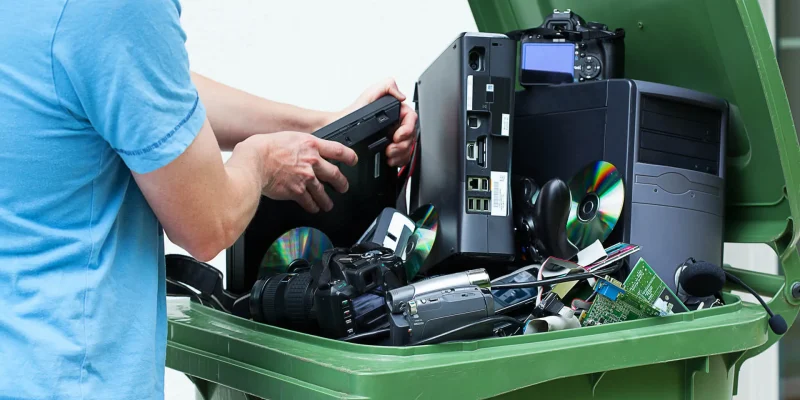
In today’s digital age, electronic waste (or e-waste) is a growing concern. As our reliance on technology increases, so does the amount of electronic waste we generate. This waste, if not properly managed, can have harmful effects on our environment. Therefore, electronic recycling services have become essential in managing e-waste. However, not all electronic recycling services are created equal. It is important to vet these services thoroughly to ensure they are reputable, effective, and environmentally responsible. Here are some red flags to watch out for when vetting electronic recycling services.
1. Lack of Certification
Certification is a crucial factor when selecting an electronic recycling service. Certifications, like the e-Stewards or R2 (Responsible Recycling), ensure that the service meets specific standards for environmental responsibility, worker safety, and data security. If a service lacks these certifications, it’s a major red flag.
2. No Clear Recycling Process
A reputable electronic recycling service should have a clear and transparent recycling process. They should be able to explain how they collect, sort, dismantle, and recycle the e-waste. A lack of transparency in this process can suggest that the service may not be following the best environmental practices. This electronic recycling services link provides detailed information about a clear and responsible recycling process.
3. Insufficient Data Destruction Methods
Many electronic devices contain sensitive data that can be exploited if not properly destroyed. A reliable electronic recycling service should have robust data destruction methods in place. If the service cannot provide detailed information about how they handle data destruction, it’s a red flag. There’s a risk of data breaches, which can have severe consequences.
4. Inadequate Health and Safety Measures
E-waste handling involves various health risks. A reputable electronic recycling service should prioritize the health and safety of their workers. They should have proper protective equipment and safety protocols in place. If a service does not place importance on health and safety measures, it’s a red flag.
5. No Evidence of Environmental Responsibility
The primary purpose of electronic recycling services is to reduce the environmental impact of e-waste. Therefore, these services should demonstrate a commitment to environmental responsibility. They should have policies in place that minimize pollution and promote responsible recycling. If a service does not show evidence of environmental responsibility, it’s a red flag.
6. Poor Customer Reviews
Customer reviews provide valuable insights into the workings of an electronic recycling service. Poor customer reviews, especially those that consistently highlight the same issues, are a red flag. They can reveal potential problems with the service, such as poor customer service, inadequate recycling processes, or issues with data security.
7. Low-Cost Services
While it might be tempting to opt for the most affordable service, it’s essential to be cautious. Proper electronic recycling involves costs, and a service offering significantly lower rates than their competitors might be cutting corners. This could mean poor recycling practices, inadequate data destruction, or low worker safety standards. So, a service that seems too cheap might not be the best choice. You can check out this electronic recycling services link for a service that offers reasonable prices without compromising on quality.
Conclusion
Choosing the right electronic recycling service is essential to ensure your e-waste is handled responsibly. By watching out for these red flags, you can make an informed decision and contribute to a more sustainable and secure digital environment. Remember, a responsible electronic recycling service should have proper certification, transparent processes, robust data destruction methods, adequate health and safety measures, evidence of environmental responsibility, positive customer reviews, and reasonable pricing.
FAQs
Q1: Why is it important to choose a certified electronic recycling service?
A certified electronic recycling service adheres to specific environmental, data security, and worker safety standards. This ensures your e-waste is handled responsibly and securely.
Q2: What is the role of customer reviews in selecting an electronic recycling service?
Customer reviews provide first-hand insights into a service’s operations. Consistently poor reviews can indicate potential issues with the service, such as poor customer service or inadequate recycling processes.
Q3: Why should an electronic recycling service have a clear recycling process?
A clear recycling process ensures transparency. It allows you to understand how your e-waste will be collected, sorted, dismantled, and recycled, ensuring the service is following the best environmental practices.