When it comes to heavy-duty equipment, every detail matters. The specifications of your machinery can make a significant difference in performance, productivity, and long-term value. In the waste management industry, one of the critical pieces of equipment you’ll need is the rear loader.
Understanding the Importance of Rear Loaders
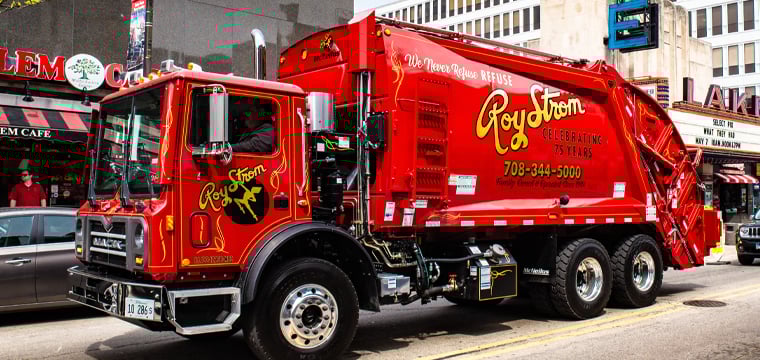
Rear loaders play a crucial role in waste management. These vehicles are designed to collect waste and transport it to designated disposal sites. They come equipped with a large compartment for waste and a hydraulic packer that compacts the waste, allowing for more capacity. However, not all rear loaders are created equal, and choosing the right specifications is paramount to your operation’s efficiency and success.
The Atlantic Heavy Duty Difference
At Atlantic Heavy Duty, we take pride in providing top-tier rear loaders that are built to last. Our commitment to quality means we recommend specific specs for your next rear loader to ensure optimal performance and longevity. Let’s delve into why these recommendations matter and how they can positively impact your operations.
Optimal Engine Power and Fuel Efficiency
One of the key specifications we focus on is engine power. Engine power directly impacts the performance of your rear loader, affecting how quickly and efficiently it can carry out its tasks. We recommend rear loaders that boast top-tier engine power without compromising fuel efficiency. This balance ensures that your operations remain cost-effective while still delivering the power you need to get the job done.
Superior Load Capacity
Another critical specification is load capacity. The size of the load a rear loader can handle directly impacts how much waste you can transport in a single trip. Our recommended specs include rear loaders that offer superior load capacity, allowing you to maximize productivity. This increased capacity means fewer trips, saving you time and fuel costs.
Durability and Lifespan
At Atlantic Heavy Duty, we understand the importance of durability and lifespan in your equipment. That’s why the third specification we emphasize is build quality. Our rear loader recommendations include vehicles built from high-grade materials and engineered for durability. This specification ensures that your rear loader can withstand the rigors of daily use and provide a long service life, providing excellent value for your investment.
Conclusion
Selecting the right rear loader is a significant decision that can greatly impact your operations. At Atlantic Heavy Duty, we recommend specific specs to ensure you get a rear loader that provides optimal performance, superior load capacity, and exceptional durability. By following these recommendations, you can ensure your next rear loader is a valuable asset that supports your operations’ efficiency and success for years to come.
FAQs
Why are specific specs so important when choosing a rear loader?
Specific specs are important because they directly impact the performance, efficiency, and durability of your rear loader. The right specs can help you maximize productivity, reduce operational costs, and ensure the longevity of your equipment.
What is the significance of engine power in a rear loader?
Engine power is crucial as it determines how effectively and quickly your rear loader can carry out tasks. A powerful engine allows for faster and more efficient waste collection and disposal, improving overall productivity.
Why does Atlantic Heavy Duty emphasize load capacity?
Load capacity is emphasized because it directly affects how much waste you can transport in a single trip. A higher load capacity means fewer trips, saving time and reducing fuel costs.
How does build quality impact the lifespan of a rear loader?
Build quality directly affects the durability and lifespan of your rear loader. High-grade materials and quality engineering ensure that your equipment can withstand daily use and last for a long time, providing excellent return on investment.