Your commercial asphalt pavement is a significant investment that adds value to your property. It not only offers a smooth ride but also enhances the aesthetic appeal of your premises. However, like other things, it also undergoes wear and tear and may require maintenance over time. The big question is whether to resurface or replace the asphalt paving. Top Job Asphalt, a trusted name in asphalt paving Utah, is here to help you understand when to resurface and when to replace your asphalt pavement.
Understanding the Basics of Asphalt Paving
Asphalt paving is a mixture of sand, aggregates, and asphalt cement, used for constructing and maintaining all types of pavements, parking areas, and even playgrounds. With time, due to the exposure of harsh weather conditions and heavy traffic, asphalt pavement may start showing signs of damage, such as cracking, rutting, or potholes. Depending on the extent and type of damage, you may need to resurface or replace the asphalt pavement.
Resurfacing and Its Advantages
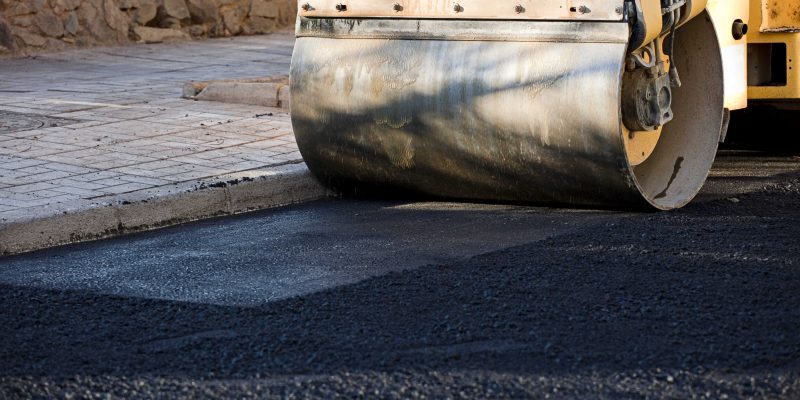
Resurfacing is a process that involves adding a new layer of asphalt over the existing pavement. The process is less intensive and less expensive than a complete replacement. Resurfacing can effectively repair surface-level damage, such as minor cracks and potholes, and restore the smoothness and drivability of the pavement.
When the base layer of the pavement is still in good shape, resurfacing can be a great option. It can enhance the appearance and functionality of the pavement, prolong its lifespan, and save you money. However, it’s important to ensure that the underlying base is stable before proceeding with resurfacing, as any issues in the base can reflect in the new surface layer, causing premature failure.
When to Opt for Resurfacing?
Resurfacing is an ideal option when your asphalt pavement has minor damage that affects only the surface layer. This might include small cracks, fading, and minor potholes. Also, if the base of the pavement is stable and in good condition, resurfacing can be the most cost-effective and efficient way to restore your pavement’s appearance and functionality.
Replacement and Its Advantages
Replacement, on the other hand, involves the complete removal and disposal of the existing asphalt pavement and reconstruction from scratch. Although it’s more expensive and time-consuming than resurfacing, replacement can address more severe and deep-rooted issues that cannot be fixed by resurfacing.
One of the significant advantages of replacement is that it allows for the correction of structural issues and can significantly extend the lifespan of your pavement. This process also provides an opportunity to improve the drainage system, which can prevent future water-related damage.
When to Opt for Replacement?
Replacement is the best option when the damage to your asphalt pavement is severe and extends beyond the surface layer. This includes deep cracks that reach the base, large potholes, and severe rutting. Moreover, if the base of the pavement is compromised, replacement is necessary as resurfacing will not solve the underlying problem.
From the perspective of asphalt paving Utah, replacement is a long-term solution that, although costly upfront, can save you money in the long run by avoiding repeated repairs and maintenance.
Conclusion
Choosing between resurfacing and replacement of your asphalt pavement depends on the extent and type of damage. While resurfacing is an excellent option for minor surface-level damage, replacement is necessary for severe damage and structural issues. Top Job Asphalt, a trusted name in asphalt paving Utah, can help you make an informed decision based on a thorough inspection of your pavement.
FAQs
Is it better to resurface or replace asphalt pavement?
The choice between resurfacing and replacing asphalt pavement depends on the extent of damage and the condition of the base. For minor, surface-level damage, resurfacing is a cost-effective and efficient solution. However, for severe damage that extends to the base, replacement is necessary.
How long does a resurfaced asphalt pavement last?
A resurfaced asphalt pavement can last between 8 to 15 years, depending on the quality of the materials used, the expertise of the crew, and the level of maintenance.
What are the signs that my asphalt pavement needs replacement?
Signs that your asphalt pavement needs replacement include severe cracking (also known as alligator cracking), large potholes, rutting, and a compromised base. If you notice any of these signs, it’s best to consult a professional asphalt paving company to assess the condition of your pavement.